Discover Hoka Hoka Sushi
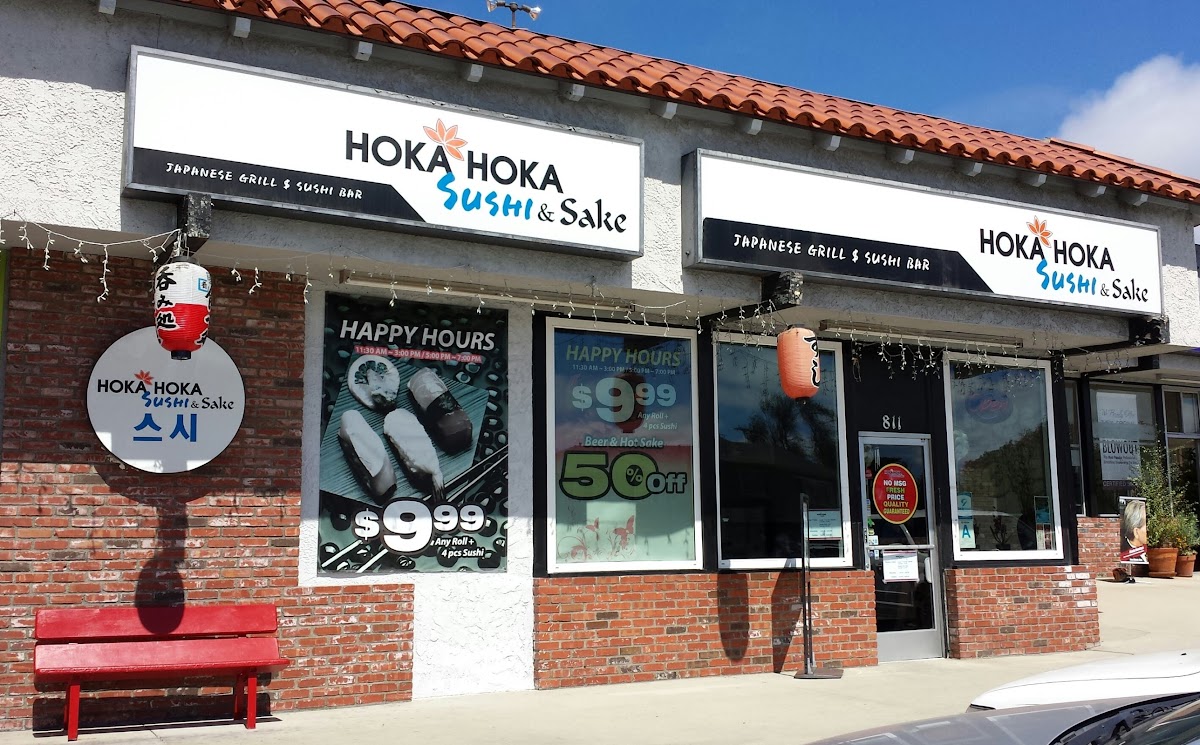
Walking into Hoka Hoka Sushi for the first time at 811 Torrance Blvd, Redondo Beach, CA 90277, United States, felt like discovering a local secret that regulars quietly protect. I stopped by on a busy weeknight, and despite the steady flow of diners, the atmosphere stayed relaxed. You hear light conversation, the soft clatter from the sushi bar, and the unmistakable smell of freshly cooked rice and seaweed. It’s the kind of place where people greet the staff by name, which already says a lot about consistency and trust.
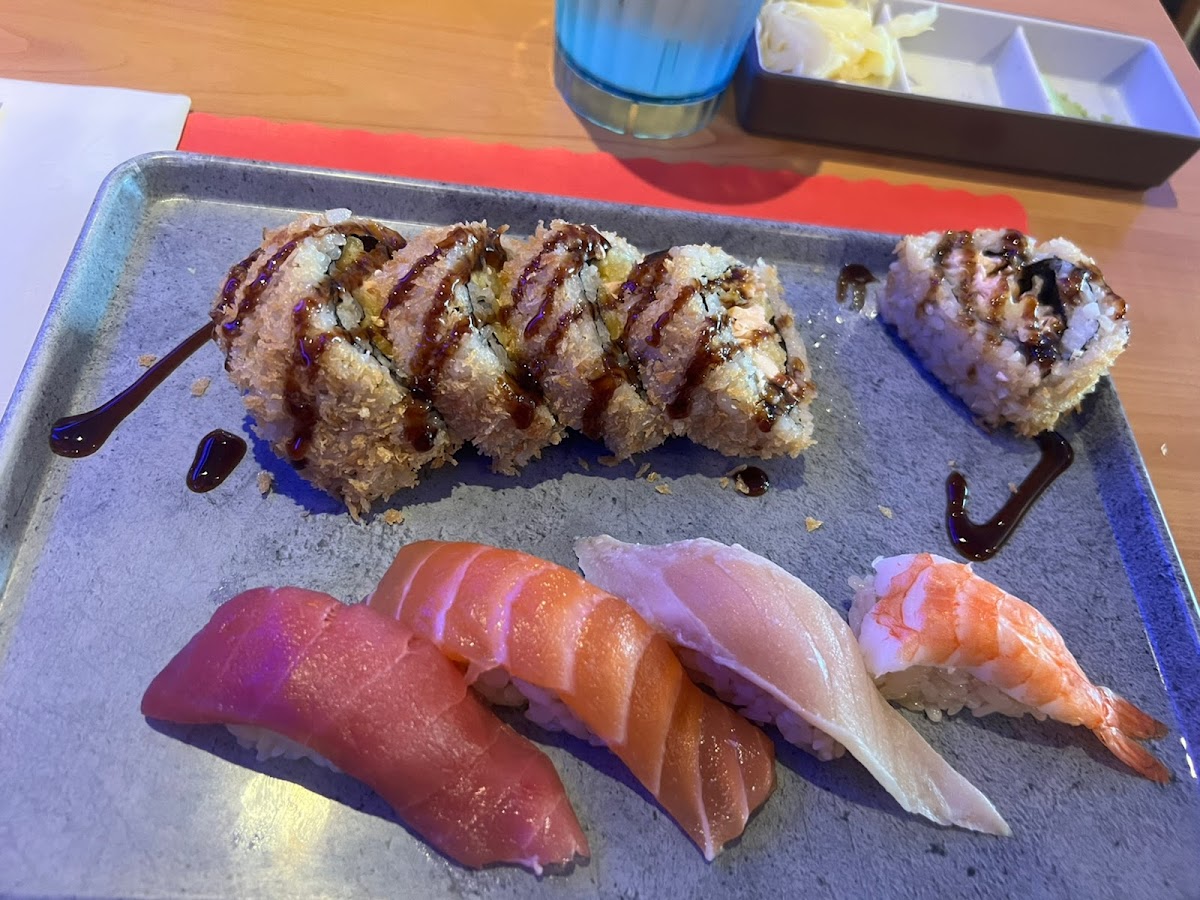
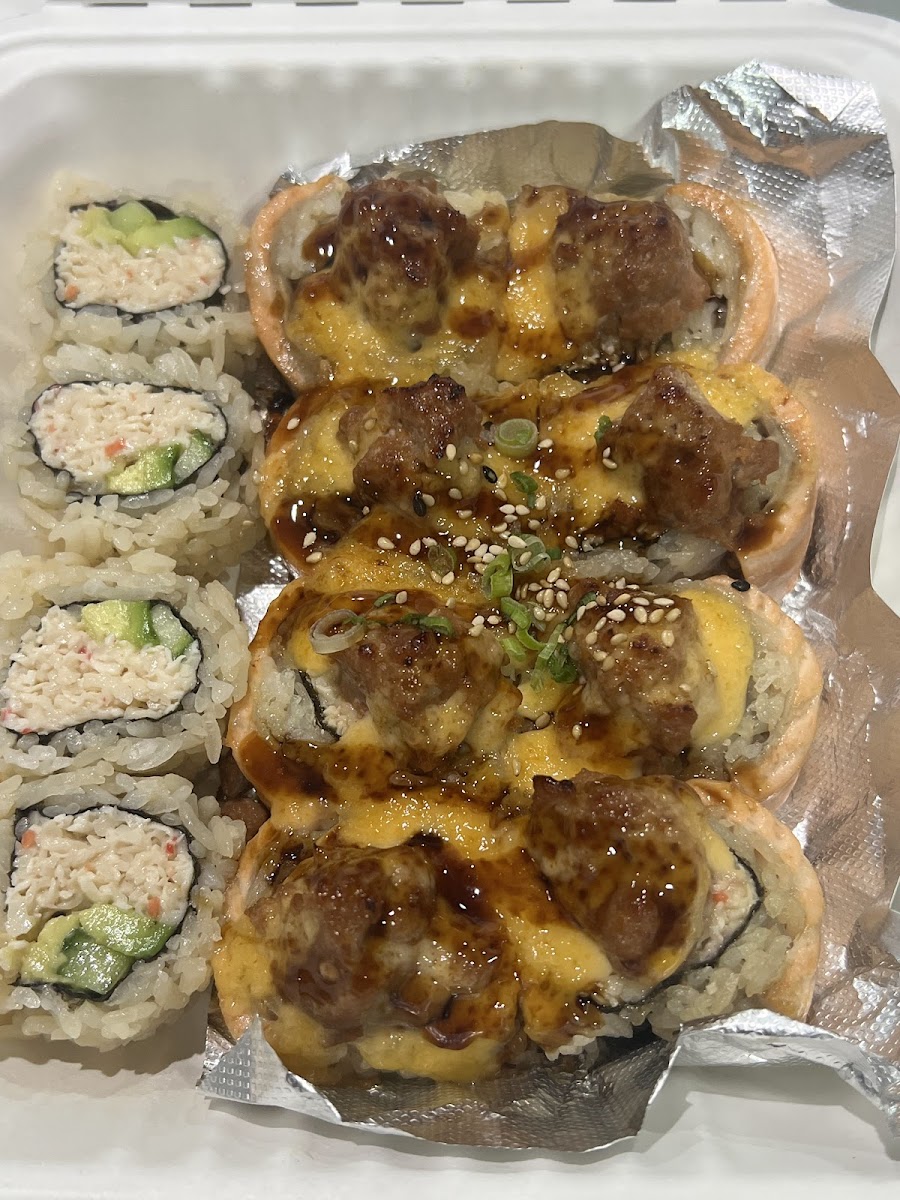
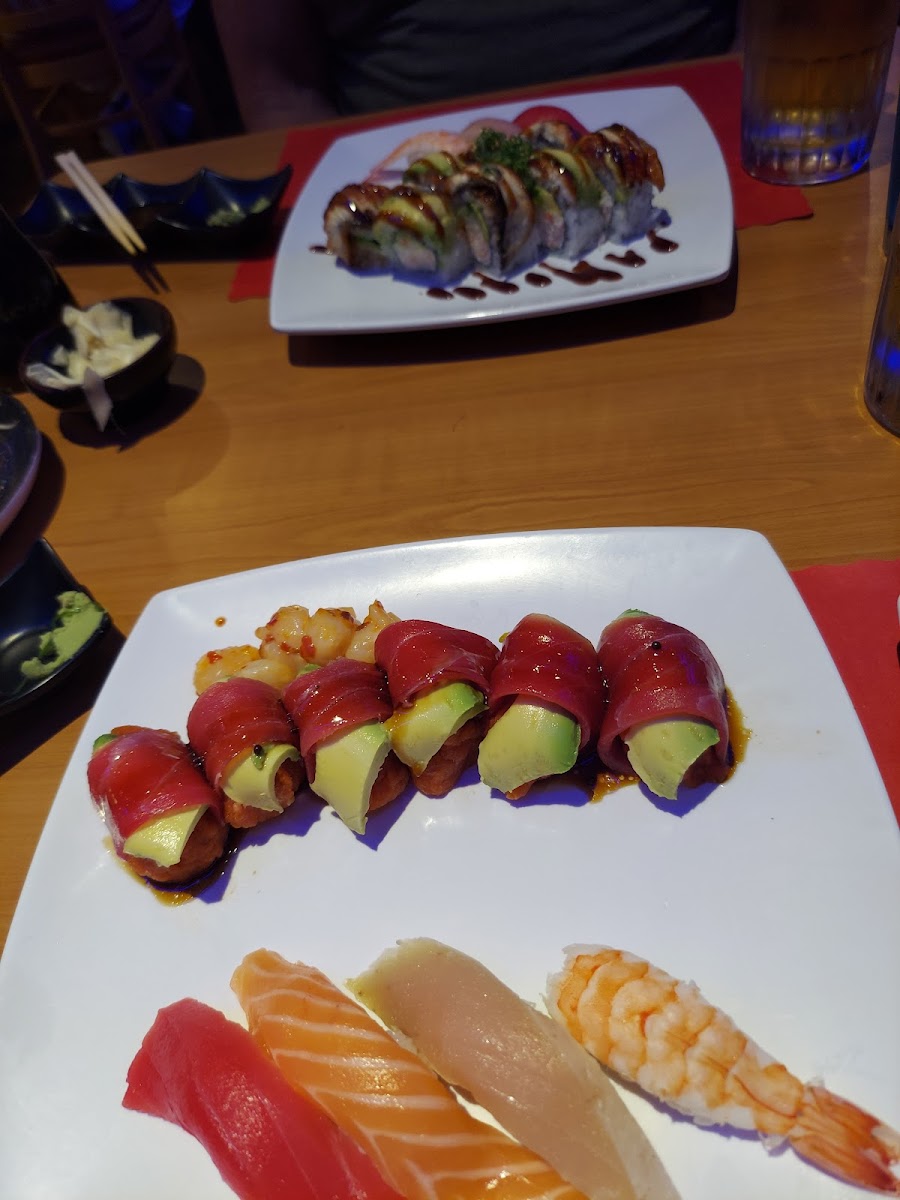
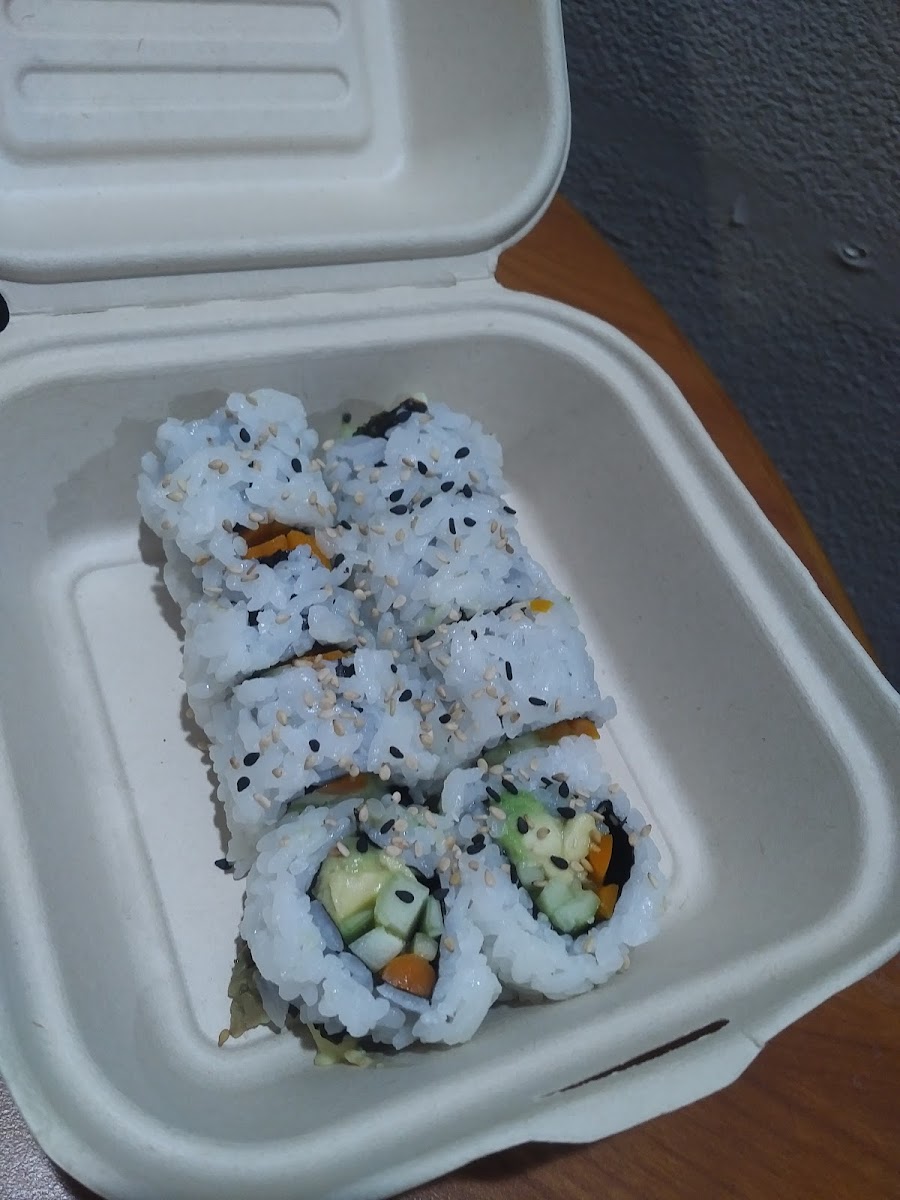
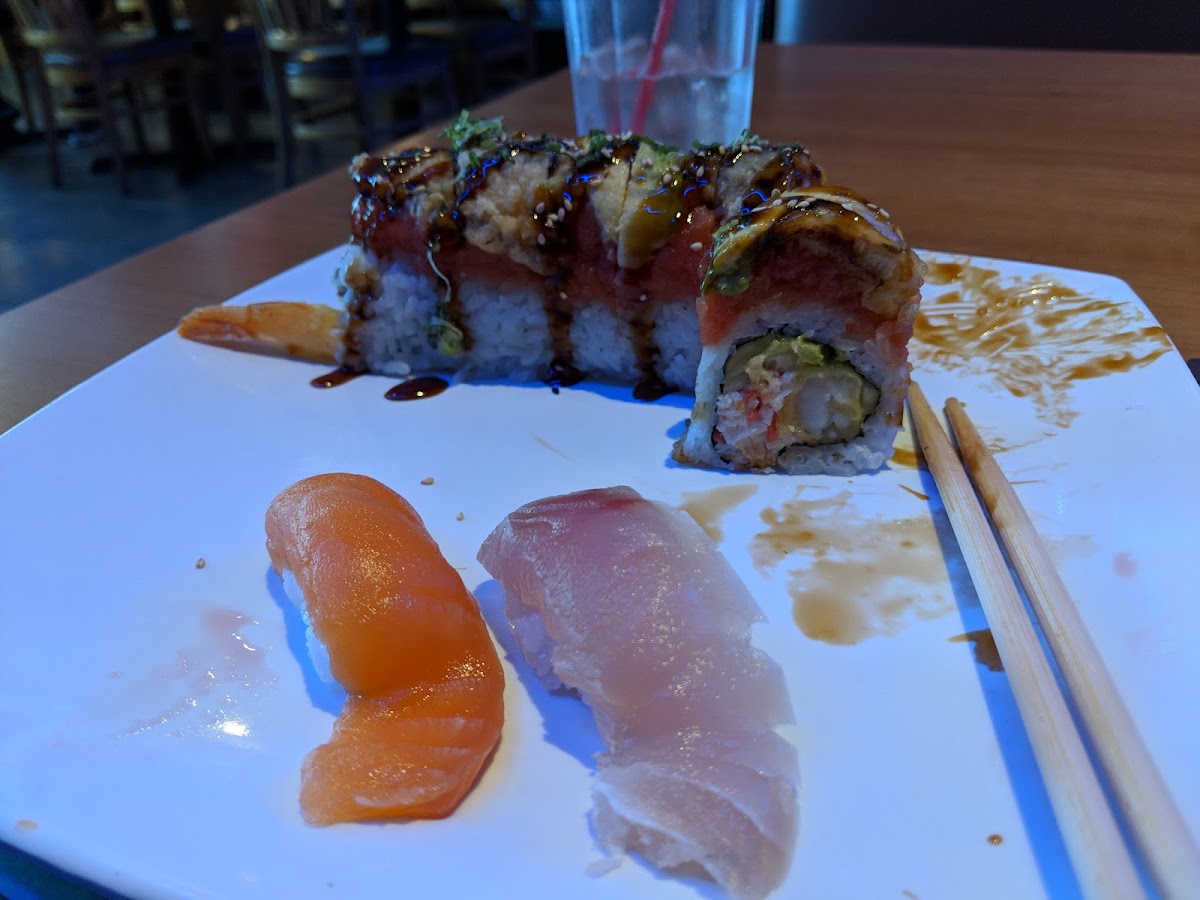
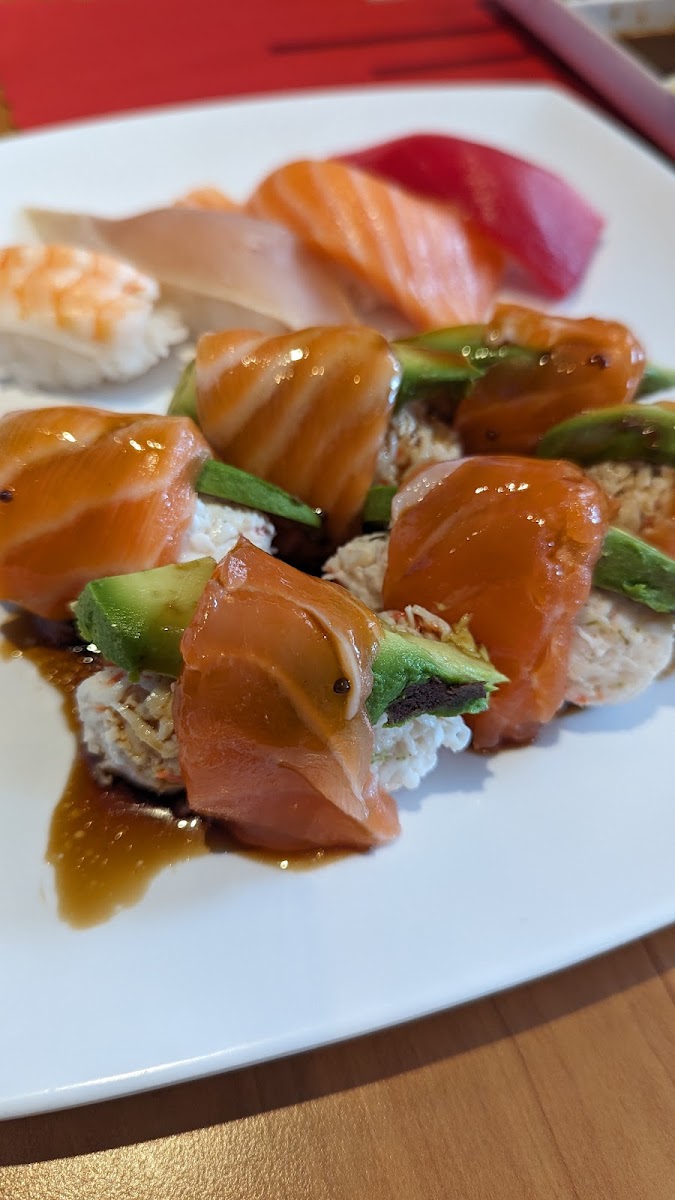
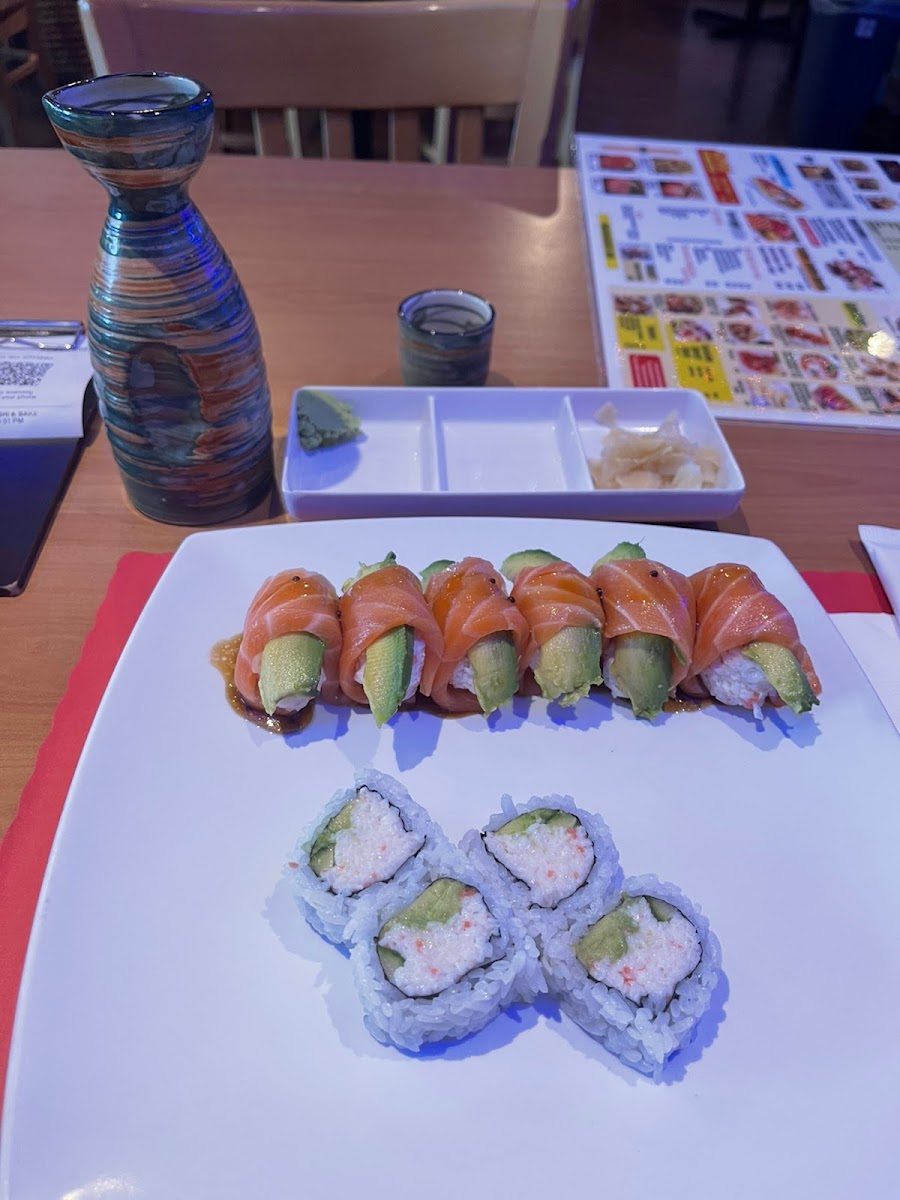
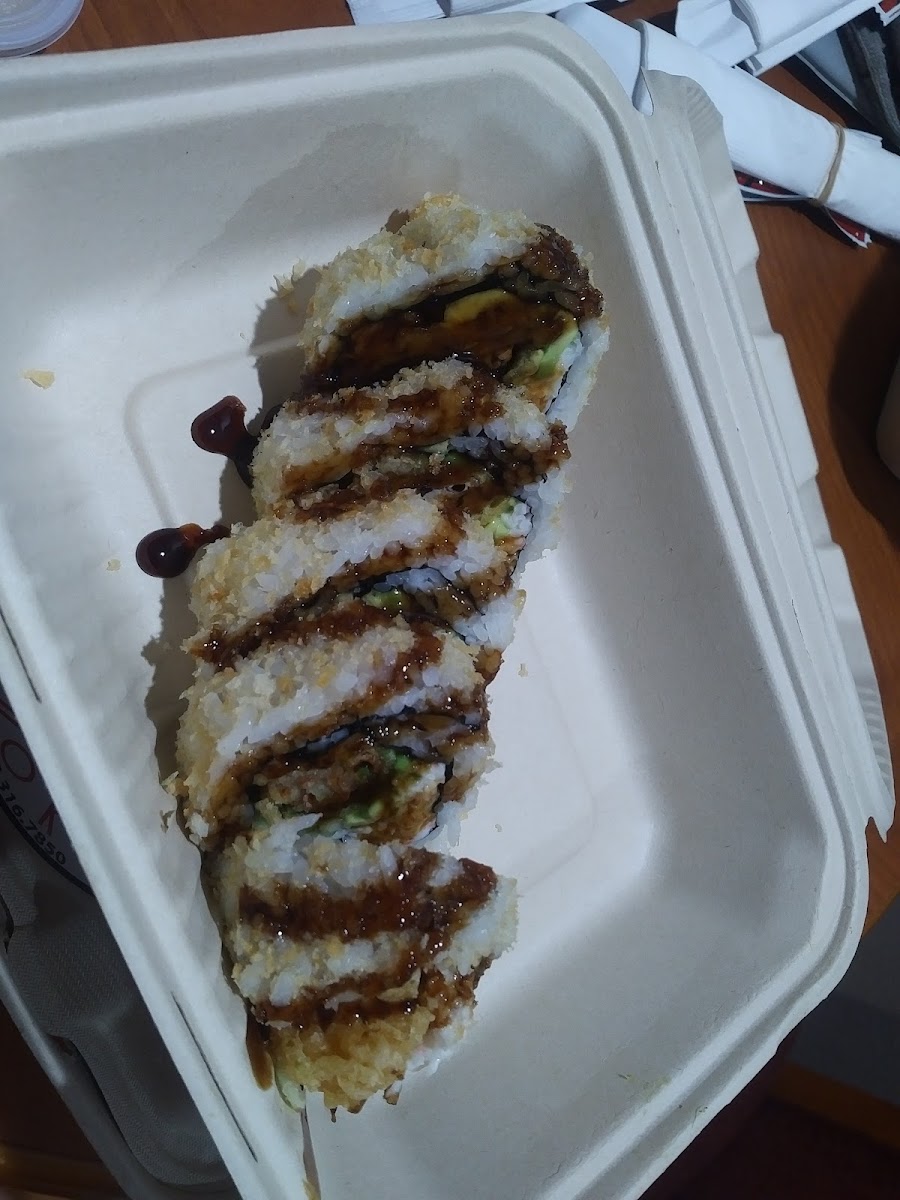
The menu leans heavily into classic Japanese comfort with a strong focus on sushi rolls, sashimi, and warm kitchen dishes. During my visit, I ordered a spicy tuna roll, salmon nigiri, and a bowl of udon to balance things out. The fish was clean and mild, not overly salty or fishy, which aligns with what seafood quality studies from organizations like the FDA emphasize about proper handling and freshness. One of the chefs mentioned they receive frequent small deliveries rather than bulk shipments, a real-world process many reputable sushi spots use to maintain quality.
What stood out most was how approachable everything felt. Sushi can sometimes seem intimidating, especially for newcomers, but here the staff explains options without rushing. A server walked a nearby table through different roll textures and flavor profiles, using simple language that made it easy to choose. That kind of guidance reflects experience, not scripting. I’ve seen similar service models discussed by hospitality experts from the National Restaurant Association, who note that clear menu communication directly improves customer satisfaction and repeat visits.
Reviews from locals often highlight consistency, and that matched my experience. I came back a second time a week later for lunch to test that claim. The rice texture, fish portions, and presentation were nearly identical. Consistency like this is difficult to maintain in sushi restaurants due to variables like fish supply and preparation timing. According to food service research published by Cornell University’s School of Hotel Administration, consistency is one of the strongest predictors of long-term customer loyalty, especially in casual dining.
There’s also a sense of balance in how the kitchen handles flavors. Sauces don’t overpower the fish, and rolls aren’t overloaded with extras. This restraint is intentional. Traditional Japanese sushi principles focus on harmony rather than complexity, something respected culinary voices like Chef Jiro Ono have spoken about publicly. While this diner isn’t trying to be a fine-dining temple, the philosophy still shows in execution.
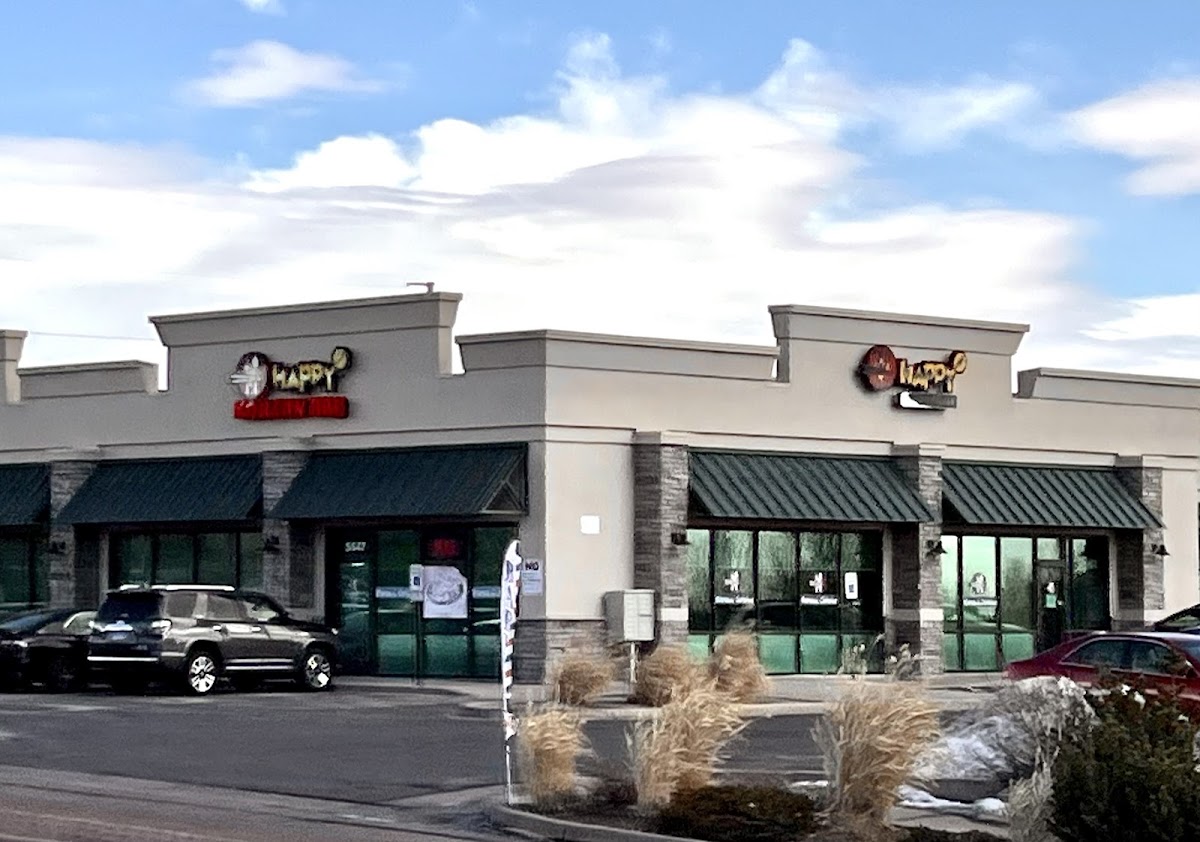
The location itself adds to the appeal. Sitting along Torrance Boulevard, it’s easy to stop by after work or during a weekend errand run. Parking is manageable compared to tighter coastal spots, which regulars often mention in reviews. Inside, the décor stays simple, letting the food do the talking. Nothing feels staged for social media, and that honesty is refreshing.
That said, there are a few limitations worth noting. Seating can feel tight during peak hours, and if you’re craving highly experimental or fusion-style sushi, the menu sticks closer to familiar territory. Still, for a neighborhood diner, that focus works in its favor. You know what you’re getting, and it’s done well.
Over time, I’ve learned that the best sushi restaurants aren’t always the flashiest. They’re the ones that quietly deliver solid meals, earn trust through repetition, and build real relationships with their customers. This place fits that pattern. People don’t just come once; they return, bring friends, and leave satisfied, which ultimately says more than any marketing ever could.